

University of Chicago Press · ENSTK
The Varnish and the Glaze: Painting Splendor with Oil, 1100-1500 - Marjolijn Bol
EAN: 9780226820361
Compară ofertele (1)
Prețurile sunt preluate automat din feed-urile magazinelor și pot diferi față de site-ul magazinului. Verifică prețul final la magazin.
Descriere The Varnish and the Glaze: Painting Splendor with Oil, 1100-1500 - Marjolijn Bol
A new history of the techniques, materials, and aesthetic ambitions that gave rise to the radiant verisimilitude of Jan van Eyck's oil paintings on panel. \n Panel painters in both the middle ages and the fifteenth century created works that evoke the luster of precious stones, the sheen of polished gold and silver, and the colorful radiance of stained glass. Yet their approaches to rendering these materials were markedly different. Marjolijn Bol explores some of the reasons behind this radical transformation by telling the history of the two oil painting techniques used to depict everything that glistens and glows--varnish and glaze. \n \n For more than a century after his death, the fifteenth-century painter Jan van Eyck was widely credited with inventing varnish and oil paint, on account of his unique visual realism. Once this was revealed to be a myth, the verisimilitude of his work was attributed instead to a new translucent painting technique: the glaze. Today, most theories about how Van Eyck achieved this realism revolve around the idea that he was the first to discover or refine the glazing technique. Bol, however, argues that, rather than being a fifteenth-century refinement, varnishing and glazing began centuries before. Drawing from an extensive body of recipes, Bol pieces together how varnishes and glazes were first developed as part of the medieval art of material mimesis. Artisans embellished metalwork and wood with varnishes and glazes to imitate gold and gems; infused rock crystal with oil, resin, and colorants to imitate more precious minerals; and oiled parchment to transform it into the appearance of green glass. Likewise, medieval panel painters used varnishes and glazes to create the look of enamel, silk, and more. \n \n The explorations of materials and their optical properties by these artists stimulated natural philosophers to come up with theories about transparent and translucent materials produced by the earth. Natural historians, influenced by medieval artists' understanding of refraction and reflection, developed theories about gems, their creation, and their optical qualities.\n
Detalii
- Brand
- University of Chicago Press
- Categorie
- ENSTK
- EAN / GTIN
- 9780226820361
- Magazine
- 1
- Disponibilitate
- in stock
Produse similare
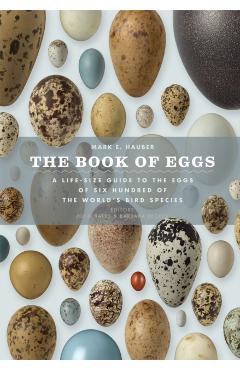
University of Chicago Press
The Book of Eggs: A Lifesize Guide to the Eggs of Six Hundred of the World's Bird Species - Mark E. Hauber
527,31 RON
libris.ro

University of Chicago Press
Michelangelo's Sculpture
518,40 RON
libris.ro

University of Chicago Press
Sorting Sexualities: Expertise and the Politics of Legal Classification - Stefan Vogler
537,84 RON
libris.ro

University of Chicago Press
Phenomena: Doppelmayr's Celestial Atlas - Giles Sparrow
544,05 RON
libris.ro
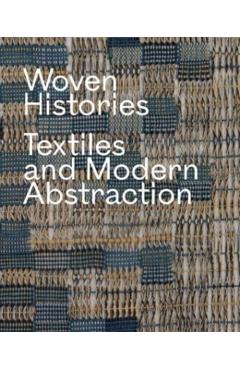
University of Chicago Press
Woven Histories: Textiles and Modern Abstraction - Lynne Cooke
544,05 RON
libris.ro

University of Chicago Press
The Concise Greek-English Lexicon of the New Testament - Frederick William Danker
544,32 RON
libris.ro

University of Chicago Press
Mahler's Symphonic World: Music for the Age of Uncertainty - Karol Berger
502,20 RON
libris.ro

University of Chicago Press
The Book of Snakes: A Life-Size Guide to Six Hundred Species from Around the World - Mark O'shea
502,20 RON
libris.ro